

Learn which Loves Park venues allow outside vendors and what restrictions apply to catering, decor, and entertainment for your wedding or event.
Explore common decoration rules at Roscoe venues and learn how to personalize your event space without damaging property or violating rental agreements.
Learn how Machesney Park venues calculate capacity and what factors influence guest limits for weddings, receptions, and corporate events.
Discover how Cherry Valley venues handle extended rental hours and what factors influence availability and pricing for longer event timelines.
Compare Cherry Valley wedding venue types and learn the 7 criteria that matter most when you want ceremony and reception on one property.

Planning a wedding can be an exciting and joyful experience, but it can also be a stressful and overwhelming task. With so many decisions to make and details to consider, one of the most important aspects of wedding planning is setting a budget. When it comes to choosing a wedding venue, there are countless options to consider – from traditional hotels and banquet halls, to rustic barns and outdoor gardens. But no matter what type of venue you choose, it’s important to set a budget and stick to it. One of the first things you’ll need to consider when setting a budget for your wedding venue is the size of your guest list. A larger guest list will likely require a larger venue, which can significantly impact your budget. It’s important to be realistic about how many guests you’ll be inviting, and to choose a venue that can comfortably accommodate everyone. Another factor to consider when setting a budget for your wedding venue is the location. Venues in major cities or popular tourist destinations are often more expensive than venues in smaller towns or rural areas. You’ll also need to consider any additional costs, such as transportation and accommodations for out-of-town guests. Before committing to a venue, it’s important to carefully review the contract and understand all costs associated with the rental. Some venues may have hidden fees or restrictions that can impact your budget. It’s also a good idea to ask about any additional services or amenities that the venue offers, such as catering or decor rentals, as these can also impact your budget. In order to stick to your budget and avoid unnessary expenses, it’s important to prioritize your needs and wants. Consider what aspects of the venue are most important to you – whether it’s the location, the size, the amenities, or the ambiance – and focus your budget on those priorities. Ultimately, setting a budget for your wedding venue is an important step in planning your special day. By carefully considering your needs, priorities, and constraints, you can choose a venue that fits your budget and helps create the wedding of your dreams.
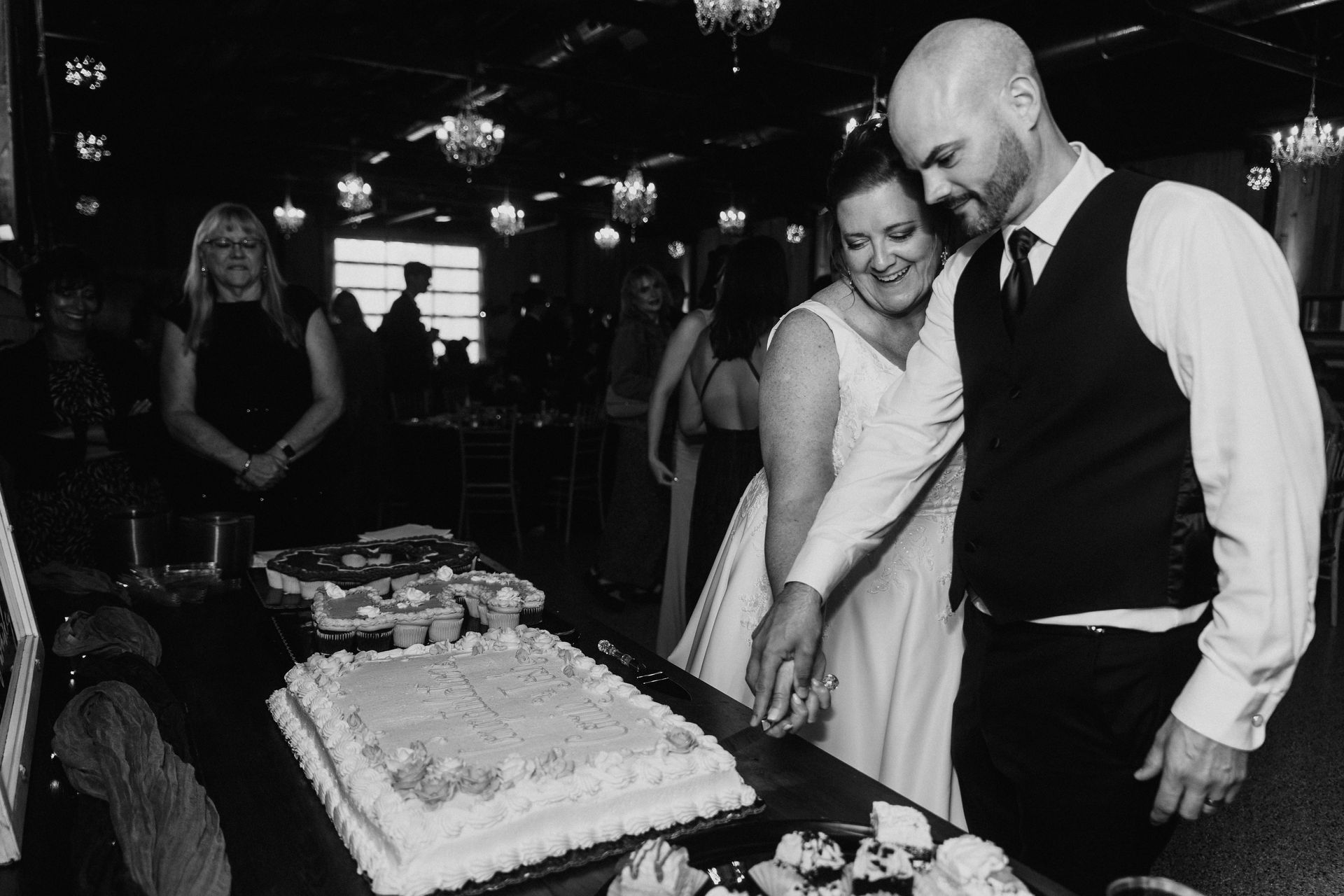
Planning a wedding can be both exhilarating and overwhelming, especially when it comes to selecting the right vendors. From florists to photographers, each vendor plays a crucial role in bringing your wedding vision to life. Here’s a step-by-step guide to help you choose the perfect wedding vendors for your special day. Some venues offer a list of vendors that they work with exclusivley or are preferred from past experience, so don't hesitate to reach out and ask for it. If they don't offer a list, or if you are looking for different suggestions, here is a good way to map out your process! 1. Define Your Vision and Budget Before you start searching for vendors, it’s essential to have a clear vision of what you want your wedding to look like. Create a mood board or a Pinterest board to gather inspiration. Additionally, set a realistic budget for each category of vendors. This will help you narrow down your options and prevent overspending. 2. Research and Gather Recommendations Start by researching vendors in your area. Look for reviews on wedding websites, social media, and local directories. Ask friends, family, or recently married couples for their recommendations. Personal experiences can provide valuable insights into a vendor’s reliability and quality of service. 3. Create a Shortlist Once you have a list of potential vendors, narrow it down to a shortlist. Consider their style, portfolio, and reviews. Make sure their work aligns with your vision and values. For instance, if you’re going for a rustic wedding, look for vendors who specialize in that style. 4. Check Availability Reach out to your shortlisted vendors to check their availability for your wedding date. Popular vendors can book up quickly, so it’s best to do this as soon as you have a date set. 5. Schedule Consultations Meeting vendors in person or via video chat is crucial. Use this opportunity to discuss your vision, ask questions, and get a sense of their personality. A good vendor should be enthusiastic, understanding, and willing to collaborate with you. 6. Ask the Right Questions Prepare a list of questions to ask during your consultations. Here are some key ones to consider: - **Experience**: How many weddings have you worked on? - **Style**: Can you show me examples of your previous work? - **Packages**: What services do you offer, and what are your rates? - **Timeline**: How far in advance do we need to finalize details? - **Backup Plans**: What happens in case of an emergency or cancellation? 7. Review Contracts Carefully Once you’ve decided on a vendor, carefully review their contract before signing. Ensure that all details, including pricing, services, and cancellation policies, are clearly outlined. Don’t hesitate to ask for clarification on any points that seem unclear. 8. Trust Your Gut Ultimately, you should feel comfortable and confident in your vendor choices. If something feels off during your interactions, trust your instincts and continue your search. Your vendors should feel like partners in your wedding journey. 9. Stay Organized Keep track of all your vendor contacts, contracts, and communication in a dedicated folder, whether digital or physical. This will help you stay organized and ensure you have everything you need as your wedding date approaches. 10. Communicate Openly Once you’ve booked your vendors, maintain open lines of communication. Share updates and changes to your plans, and don’t hesitate to ask for advice or suggestions along the way. Happy planning!
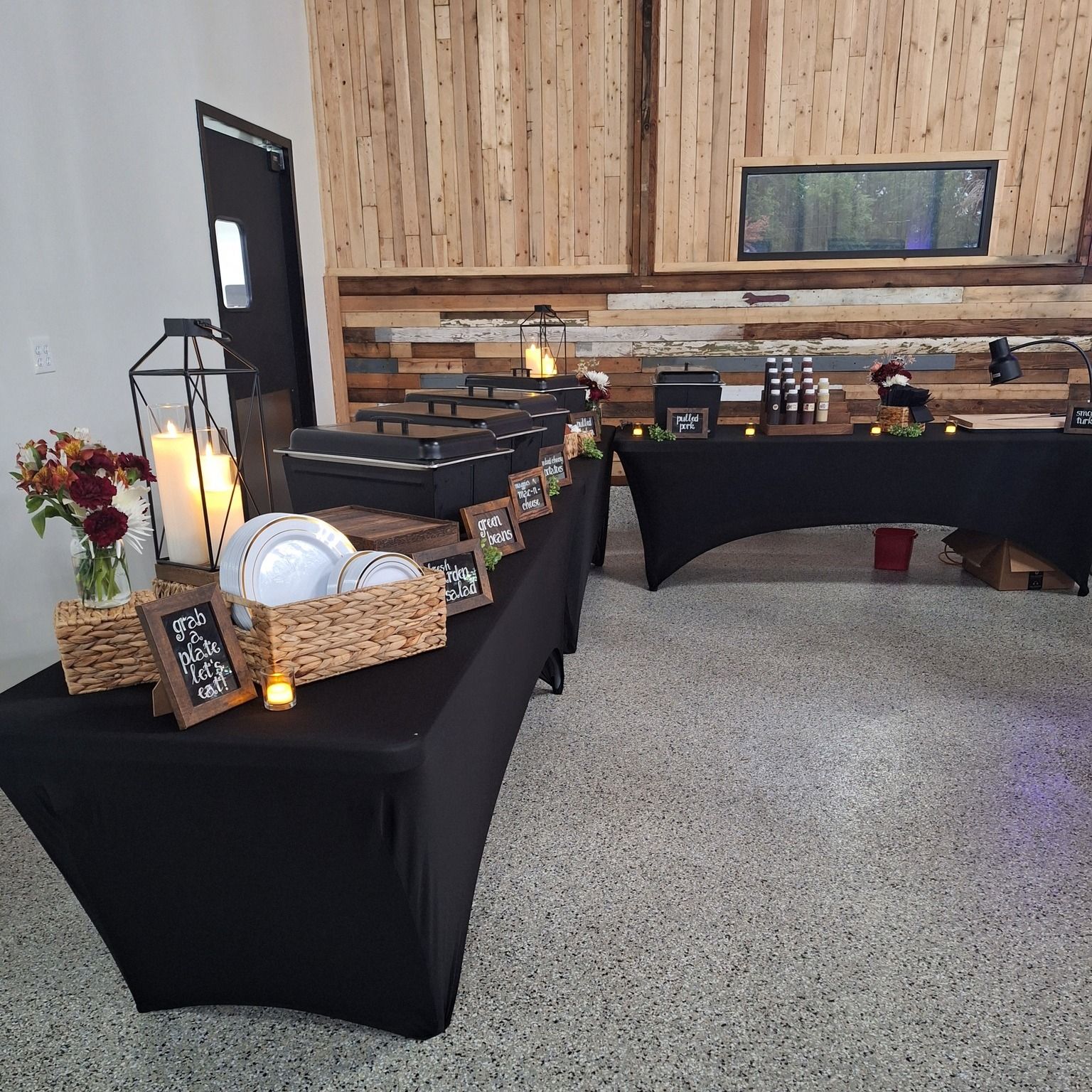
When planning a wedding, one of the most significant decisions you’ll make revolves around the type of meal service to offer your guests. Should you go with a traditional plated dinner or opt for the more casual, flexible buffet style? Both have their advantages, but the right choice depends on your wedding style, guest list, and budget. Plated Dinner: Elegance and Sophistication A plated dinner is the epitome of elegance and formal dining, making it a popular choice for weddings with a more classic, refined vibe. Here’s why you might consider this option: Pros: 1. Refined Atmosphere: A plated dinner adds an air of sophistication to your event. It’s a more formal service style that aligns with a traditional wedding aesthetic. 2. Personalized Experience: You can offer a set menu with a few options for guests to choose from. This allows you to curate the dining experience and ensure the meal aligns with your wedding theme and preferences. 3. No Long Lines: Guests remain seated and enjoy their meals at the same time, which avoids the chaos of long buffet lines and allows everyone to converse without interruptions. 4. Better Control Over Portions: The kitchen has control over portion sizes and food wastage. You know exactly how much food you’re serving, which can help with budgeting and reducing leftovers. 5. Streamlined Service: With a plated dinner, your guests are served their meals in a timely manner, and the focus can remain on other aspects of the reception, like speeches, dancing, and toasts. Cons: 1. Cost: Plated dinners tend to be more expensive due to the service staff required and the prep time for multiple dishes. The complexity of the meal can also drive up the price. 2. Limited Menu Choices: While you can offer a few options for guests to choose from, there’s less variety than you’d find in a buffet setting. Special dietary restrictions or preferences may be harder to accommodate without careful planning. 3. Longer Wait Times: While a plated dinner avoids buffet lines, it can still take longer to serve food to large groups, especially if your guest count is high. Buffet Dinner: Casual and Social A buffet dinner offers a more relaxed and interactive experience for your wedding guests. It’s ideal for couples who want a laid-back reception or a more interactive dining style. Pros: 1. Variety and Flexibility: Buffets give guests a wide selection of food to choose from. This allows for a range of dietary preferences and restrictions, making it easier to accommodate everyone. 2. Casual and Fun: A buffet tends to create a more casual, social atmosphere. Guests can mingle while they choose their meals, which makes the event feel less formal and more relaxed. 3. More Food Choices: You can offer a larger variety of dishes, which can be appealing if you want to showcase different types of cuisine or cater to diverse tastes. 4. Cost-Effective: Buffets can be more affordable than plated dinners, especially when you consider the reduced staffing needs. There’s also less worry about waste, as guests serve themselves based on their appetite. 5. Faster Serving: Instead of waiting for servers to bring food to each table, guests can help themselves, which can reduce the time it takes to serve everyone, particularly at larger weddings. Cons: 1. Less Formal: While some couples love the laid-back vibe of a buffet, it may not fit with the vision for a more formal or traditional wedding. It can feel less polished than a plated dinner. 2. Lines and Crowds: During peak times, guests may have to wait in long lines to fill their plates. This can create congestion in the reception space and disrupt the flow of the evening. 3. More Logistics: Buffets require careful planning to ensure everything stays fresh, hot, and plentiful throughout the event. You’ll also need more space to set up the buffet stations and ensure there’s enough staff to keep everything replenished. 4. Less Controlled Portions: Guests might over-serve themselves, leading to food waste. You also can’t guarantee that everyone gets the same portion sizes, which might be an issue if you have specific catering goals or budgets. Factors to Consider When Choosing Between Buffet and Plated Dinner 1. Wedding Size: Larger weddings might benefit from a buffet style, where guests can serve themselves more quickly. Smaller weddings might feel more intimate with a plated dinner. 2. Budget: Buffets are generally more cost-effective, but if you want a more upscale, personalized experience, a plated dinner might be worth the extra cost. 3. Formality of the Event: A traditional, black-tie wedding might call for a plated dinner, while a more relaxed, destination wedding or outdoor celebration could lean toward a buffet style. 4. Guest Experience: If you want to keep things casual and allow guests to interact more freely, a buffet works well. If your goal is to maintain a sense of elegance and make dinner part of the formal experience, a plated dinner is a good fit. 5. Dietary Restrictions: Buffets are more flexible in terms of accommodating special dietary needs. However, a plated dinner can also offer options for guests with dietary restrictions if planned carefully. What’s the Right Choice for You? Ultimately, the decision between a buffet or plated dinner depends on your wedding vision, the atmosphere you want to create, and your budget. - Choose a plated dinner if you want a more formal, elegant affair and are willing to invest in a refined dining experience. It’s perfect for a traditional wedding with sit-down dinners and a more intimate vibe. - Choose a buffet if you prefer a more relaxed and social atmosphere, have a larger guest list, or need more flexibility with your menu. It’s also a great way to offer a wide variety of foods while keeping costs in check. No matter which option you choose, the key is to make sure the food reflects your style, enhances your celebration, and satisfies your guests’ appetites for both delicious meals and meaningful memories.
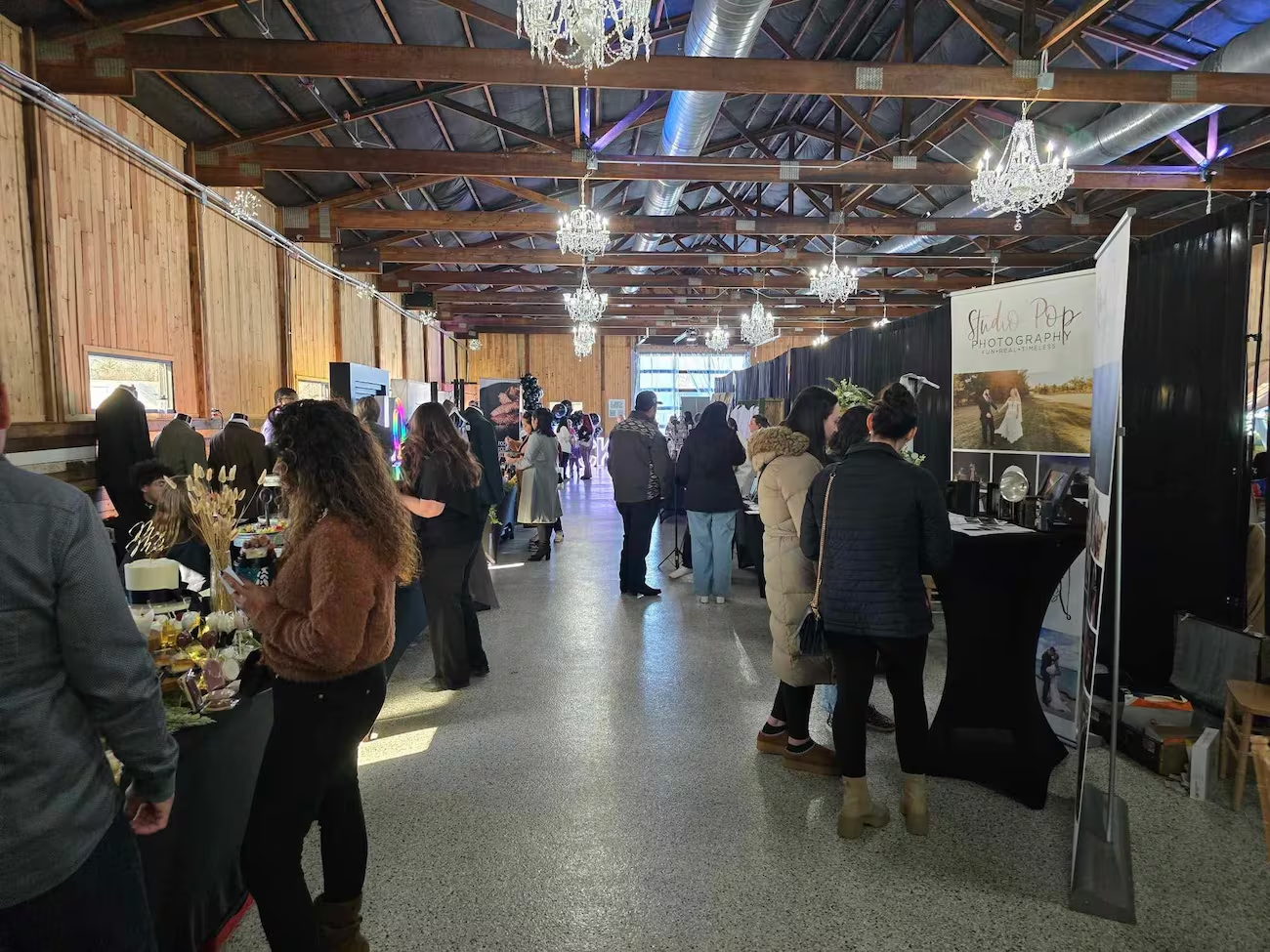
Introduction: Anyone who has ever planned a wedding knows that planning for your big day can be a very exciting, yet, challenging time. You can spend days finding just the right florist. Weeks driving around town taste testing cupcakes from oodles and oodles of bakeries in an attempt to find the buttercream that'll make your mother cry. This can go from what starts as a fun and beautiful time straight to a hairpullingly tedious one real fast. That's where Wedding Expos come in. Imagine this: Dozens of wedding vendors from all corners of the wedding world under one roof ready to make your life ten times easier! Attending a Wedding Expo is one of the most helpful things you can do when planning your big day. Whether you’re just starting your wedding planning journey or finalizing the last details, a wedding expo offers something for every couple. We just hosted our third annual wedding expo on January 25th, so, we should know about this kind of thing. Here are five reasons why you should make time to attend! Reason #1: 30+ Vendors Under One Roof! Instead of going from one end of town to another to meet with vendors, or even worse, leaving town; You can meet with everyone under one roof in one day! This is a huge time-saver and gives you a better feel for what’s available in your area. At our Wedding Expo last Saturday, we had two different barbecue caterers with Mission BBQ and City BBQ! Don't like barbecue? We had a pizza caterer in Windsor Pizza Parlor! Don't like pizza? What's wrong with you?! Tip: Take a notepad or your phone to jot down vendor names and any key details you like about their services. You can always follow up later for more information! Reason #2: Exclusive Deals & Discounts! Many vendors offer exclusive deals or discounts for couples who book their services at the expo. Whether it’s a percentage off or a free add-on, you can save money on essential Wedding services. Keep an eye out for special promotions as you walk around! At The Bricks Wedding Expo last Saturday, we were raffling off $500 discounts on our venue services! You aren't getting anything like that without the Wedding Expo experience. Tip: Be sure to ask about any “Expo-only” deals that may be available! Reason #3: Find Love! Okay, maybe you're not getting married right now. Maybe you're single! Thats okay. You can still attend a wedding expo to get an idea for who you would like to book for your future wedding. We can picture it now: You're going over to ICON Studio's booth to grab a brochure about their videography packages. You reach over to grab one and at the same time, who could very well be your future spouse is grabbing one at the same time! You just met your forever person in the aisles of love at a Wedding Expo. Reason #4: Hands on Experiences! Many Wedding Expos offer hands-on experiences, such as makeup trials, or floral design demonstrations. These experiences give you a chance to sample products, feel fabrics, and see designs up close, which helps you make informed decisions. RITUAL Massage & Bodywork attended our wedding expo and offered free massages! Where else are you getting such things while planning your wedding? We'll wait. Reason #5: Get a Taste! Often times caterers require you to book ahead of time to plan samplings. Attending a Wedding Expo can save you that extra time and give you a taste right on the spot. Conclusion: Wedding Expos are a great way to check off several items on your wedding planning checklist in one go. From meeting vendors to discovering new ideas, attending one can help make your planning process more enjoyable, efficient, and cost-effective. So, grab your fiancé, friends or family, make a day of it, and get ready to be inspired!
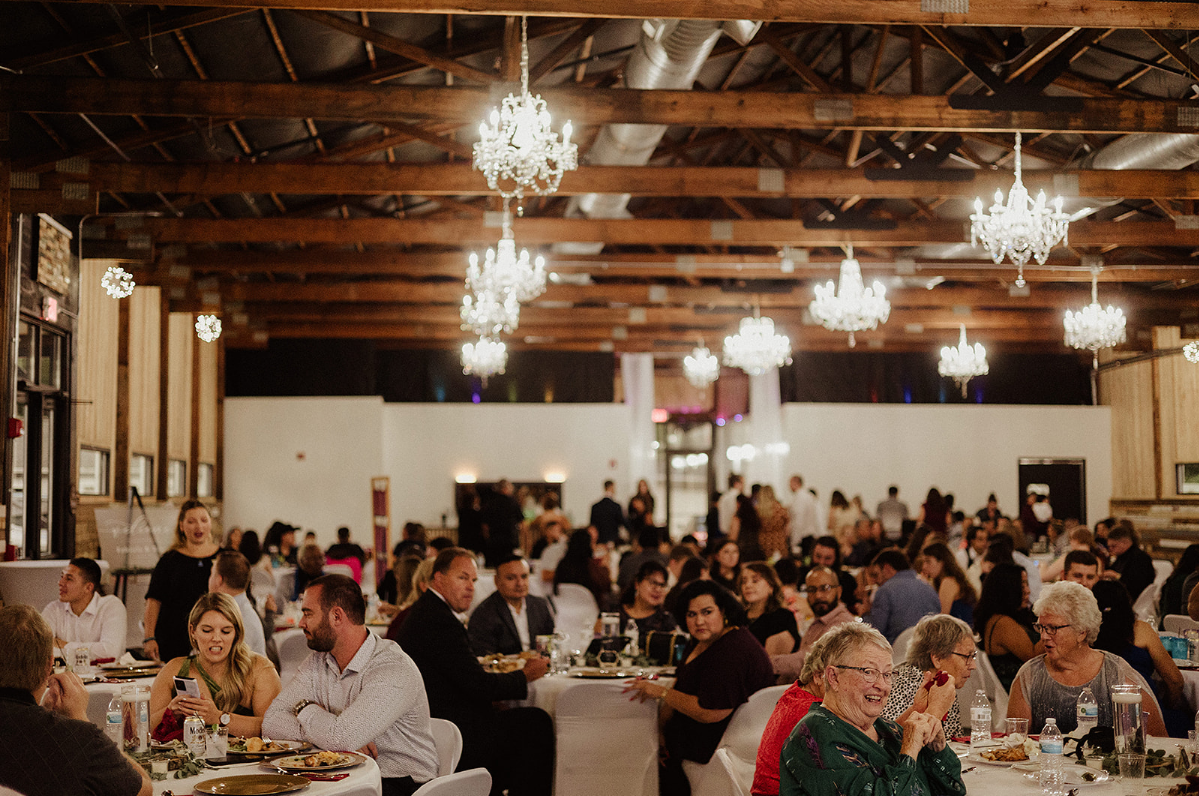
The Importance of Event Insurance: Why Every Event Needs It When planning an event, whether it’s a wedding, corporate meeting, concert, or private party, there’s a lot to think about. From choosing the right venue to ensuring that every detail is perfectly executed, event organizers have their hands full. However, one crucial aspect that is often overlooked until the last minute is event insurance. As an event venue, we understand the potential risks that come with hosting events, and how essential it is to have insurance in place to protect both the venue and the organizers. Here’s why event insurance is not just a smart choice—it’s a necessary one. 1. Protection Against Cancellations or Postponements Life is unpredictable. Sometimes, events must be canceled or postponed due to unforeseen circumstances such as severe weather, illness, or even a global pandemic. Without proper insurance, event planners could lose significant deposits, and the venue could face financial challenges as well. Event insurance can help safeguard both the venue and the event organizer against the financial losses associated with these disruptions. 2. Coverage for Property Damage Accidents can happen, and when they do, property damage can become a serious concern. Whether it’s a broken piece of furniture, water damage, or issues caused by guests, property damage at an event can be costly. Event insurance provides coverage to help repair or replace damaged items, ensuring that the venue and the event host are not left financially burdened. 3. Liability Protection Another important aspect of event insurance is liability coverage. If a guest is injured on the premises or there is damage caused by the actions of attendees, both the event organizers and the venue could be held responsible. Event insurance helps mitigate the risk of lawsuits and medical expenses that might arise from these situations, ensuring that both the venue and the event organizers are protected. 4. Vendor Issues In many cases, events involve multiple vendors such as caterers, photographers, and entertainers. If a vendor fails to deliver, cancels unexpectedly, or causes problems during the event, it can leave everyone in a difficult position. Event insurance often covers vendor-related issues, including vendor cancellation, which helps the event organizer to recover and find a solution without devastating financial consequences. 5. Peace of Mind for Everyone Involved One of the most valuable benefits of event insurance is the peace of mind it provides. For event organizers, knowing that the event is covered in the event of unexpected incidents allows them to focus on making the event memorable, rather than worrying about what could go wrong. For venues, it offers reassurance that in case something goes wrong, they will have financial protection. With insurance in place, all parties involved can relax and enjoy the event knowing they are protected. 6. Attracting Clients As a venue, offering event insurance or recommending it to clients can also make your business more attractive to potential customers. It shows that you prioritize the safety and success of their event, creating trust and boosting your reputation. Clients want to feel confident that they are in good hands, and by encouraging them to secure event insurance, you provide them with an additional layer of security. 7. Cost-Effective Protection While it may seem like an additional expense, event insurance is often a relatively small price to pay for the comprehensive protection it provides. When considering the potential costs of a canceled event, property damage, or liability claims, the cost of event insurance is a worthwhile investment that can save you from much larger financial headaches down the road. Conclusion Event insurance is an essential safety net that every event organizer and venue should have in place. From coverage for cancellations and property damage to liability protection, event insurance helps ensure that events can proceed smoothly, no matter what surprises arise. For event venues, promoting the importance of insurance not only helps safeguard your business but also builds trust with your clients. By offering insurance or requiring it for events, you’re ensuring that everyone involved is protected and can focus on what truly matters—creating unforgettable experiences. For anybody in need of event insurance, click the links below to learn more about our insurance partners: Event Guard The Event Helper